How to Choose the Right Ayurvedic Training Path for Your Goals
Dr. Amit K. Gupta, MD

Ayurveda is no longer a quiet niche. As people around the world search for preventive, personalized, and holistic approaches to health, Ayurveda training has become one of the fastest-growing education paths in wellness and integrative medicine.
Unlike systems that focus only on symptoms, Ayurveda teaches the why behind imbalance—digestive strength, body type, daily rhythm, and lifestyle alignment. This is why healthcare professionals, nutritionists, coaches, and everyday learners are increasingly turning to Ayurvedic training to deepen their understanding of health.
But the world of Ayurvedic training can feel confusing. There are online courses, practitioner programs, certifications, degrees in India, and everything in between. Choosing the right path depends entirely on your goals, not on how impressive a program sounds.
This guide will help you understand the different Ayurvedic training paths available today—and how to choose the one that fits you best.
Why Ayurvedic Training Is Gaining Global Attention
Modern healthcare is shifting toward prevention, personalization, and root-cause healing. Ayurveda aligns naturally with this shift.
Its core principles—doshas (Vata, Pitta, Kapha), digestion (Agni), food qualities (Gunas), daily routines (Dinacharya), and seasonal alignment—offer practical tools for managing stress, metabolism, inflammation, and long-term vitality.
As a result:
Wellness professionals want Ayurvedic training to complement existing credentials
Individuals want to understand their digestion, energy, and body signals
Coaches and practitioners want structured frameworks, not guesswork
Ayurvedic training provides a systemized way to understand health rather than chasing isolated remedies.
What Ayurvedic Training Actually Means
One major source of confusion is the word training itself.
Ayurvedic training does not always mean becoming a doctor or licensed medical professional. It can mean different things depending on the depth and intent of study.
Broadly, Ayurvedic training falls into three categories:
Foundational learning (understanding concepts and applying them personally)
Practitioner training (working with clients in wellness settings)
Medical training (clinical practice as an Ayurvedic physician)
Understanding this distinction is essential before choosing a program.
Ayurveda Training Programs and Paths
There are three main types of Ayurveda training programs, each designed for a different level of depth, time commitment, and professional intention.
1. Foundational Ayurvedic Training (Online, Self-Paced)
This is the most common starting point today—and for good reason.
Foundational Ayurvedic training focuses on:
Doshas and body type assessment
Digestion and metabolic strength
Food qualities, tastes, and balance
Daily and seasonal routines
Simple home remedies and lifestyle practices
This type of Ayurveda training is ideal if you:
Want to understand Ayurveda before committing long-term
Prefer flexible, self-paced learning
Want to apply Ayurveda to your own health
Are a coach, therapist, or health professional adding holistic tools
High-quality online Ayurveda training programs provide structure without overwhelming beginners with heavy Sanskrit or advanced pathology.
For most people, this is the smartest and safest entry point.
2. Ayurvedic Practitioner Training Programs
Practitioner training programs are designed for those who want to work with clients professionally in wellness settings.
These programs typically include:
Client intake and dosha assessment
Nutrition and digestive counseling
Lifestyle and routine planning
Basic herbal principles
Case studies and applied learning
Most programs run 9–18 months. These Ayurveda practitioner training paths prepare individuals to work in wellness settings, focusing on lifestyle consulting, dosha balancing, and digestion support — but they do not confer medical authority. Ayurveda practitioner training can lead to roles such as:
Ayurvedic Health Counselor
Ayurvedic Wellness Practitioner
Holistic Nutrition or Lifestyle Consultant
These programs do not confer medical authority but allow practitioners to work legally in wellness and educational contexts, especially in the U.S.
Many students enter practitioner programs after completing foundational online Ayurveda training, which makes the advanced material far easier to understand.
3. Ayurvedic Doctor Training (BAMS Degree in India)
For those seeking a clinical medical career, Ayurveda is taught in India as a full medical discipline.
The BAMS (Bachelor of Ayurvedic Medicine and Surgery) degree includes:
5.5 years of full-time study
Sanskrit and classical texts
Modern medical sciences (pathology, diagnostics, surgery)
Clinical rotations in Ayurvedic hospitals
This path is immersive, rigorous, and transformative—but it is not designed for casual learners or wellness professionals.
It requires relocation, strict academic discipline, and cultural adaptation. It is best suited for students committed to practicing Ayurvedic medicine clinically.
How to Choose the Right Ayurvedic Training Program
The right Ayurvedic training program depends on one question:
What do you want to do with Ayurveda?
Ask yourself:
Do I want to apply this personally or professionally?
Do I want flexibility or structured deadlines?
Do I want understanding—or credentials?
Do I want to work with clients or just improve my own health?
If your goal is clarity, personal application, or professional integration, foundational online Ayurveda training is usually the best place to begin.
What to Expect from a High-Quality Ayurvedic Training Program
Not all Ayurvedic training programs are equal. Strong programs share a few key traits:
Clear, structured curriculum — especially in today’s Ayurveda training programs
Concepts taught in plain language for accessibility at all levels
Practical application, not just philosophy — a key feature of quality Ayurveda practitioner training
Visual aids, examples, and summaries to support comprehension
Logical progression from basics to deeper understanding
Programs that rely only on lectures, heavy terminology, or abstract philosophy often leave students confused instead of empowered.
Ayurveda should clarify your health—not complicate it.
Why Many People Start with Online Ayurveda Training
Online Ayurvedic training has become the preferred entry point for modern learners because it offers:
Low barrier to entry
Flexible, self-paced learning
Global accessibility
Lower financial risk
Time to explore before committing to certification
A well-designed Ayurveda course online provides the essential framework—doshas, digestion, food, and routines—so learners can decide confidently how far they want to go.
Ayurveda Training Through CureNatural
CureNatural was created for people who want clarity before complexity.
Instead of overwhelming beginners with theory, CureNatural’s foundational online Ayurvedic courses focus on:
Structured learning paths
Digestion and metabolic balance
Dosha-based food and routine planning
Visual explanations and professional narration
Practical application in daily life
The courses feel like a real curriculum, not a collection of lectures.
For those considering deeper practitioner training later, CureNatural also provides documentation of study hours upon request—making it a strong starting point before investing in longer programs.
👉 Ready to start your Ayurvedic training?
What Comes After Foundational Training?
Once you understand the basics, your path naturally opens:
Add advanced topics (herbs, detox, women’s health)
Pursue practitioner certification programs
Integrate Ayurveda into coaching or healthcare work
Travel for immersive learning if desired
The key is building a strong foundation first. Everything else becomes clearer—and more meaningful—once the basics make sense.
Final Thoughts: Start Smart, Then Go Deep
Ayurveda offers thousands of years of wisdom, but learning it doesn’t need to be overwhelming.
Whether your goal is personal healing, professional integration, or eventual certification, the smartest Ayurvedic training path begins with clarity, structure, and practical understanding.
Online Ayurvedic training makes that possible—and CureNatural was built to deliver exactly that.
When digestion, routine, and food finally make sense, Ayurveda stops being theory and starts becoming a way of life.
Ayurvedic Training FAQ
What is Ayurvedic training?
Do I need to become a certified practitioner to study Ayurveda?
How long do online Ayurvedic training programs take?
Is online Ayurvedic training effective?
What can I do with Ayurvedic training?
Is it better to study Ayurveda in India?
How do I know if Ayurvedic training is right for me?
Can online Ayurvedic training lead to practitioner-level study later?
What’s the difference between foundational training and practitioner training?
Why start Ayurvedic training with CureNatural?
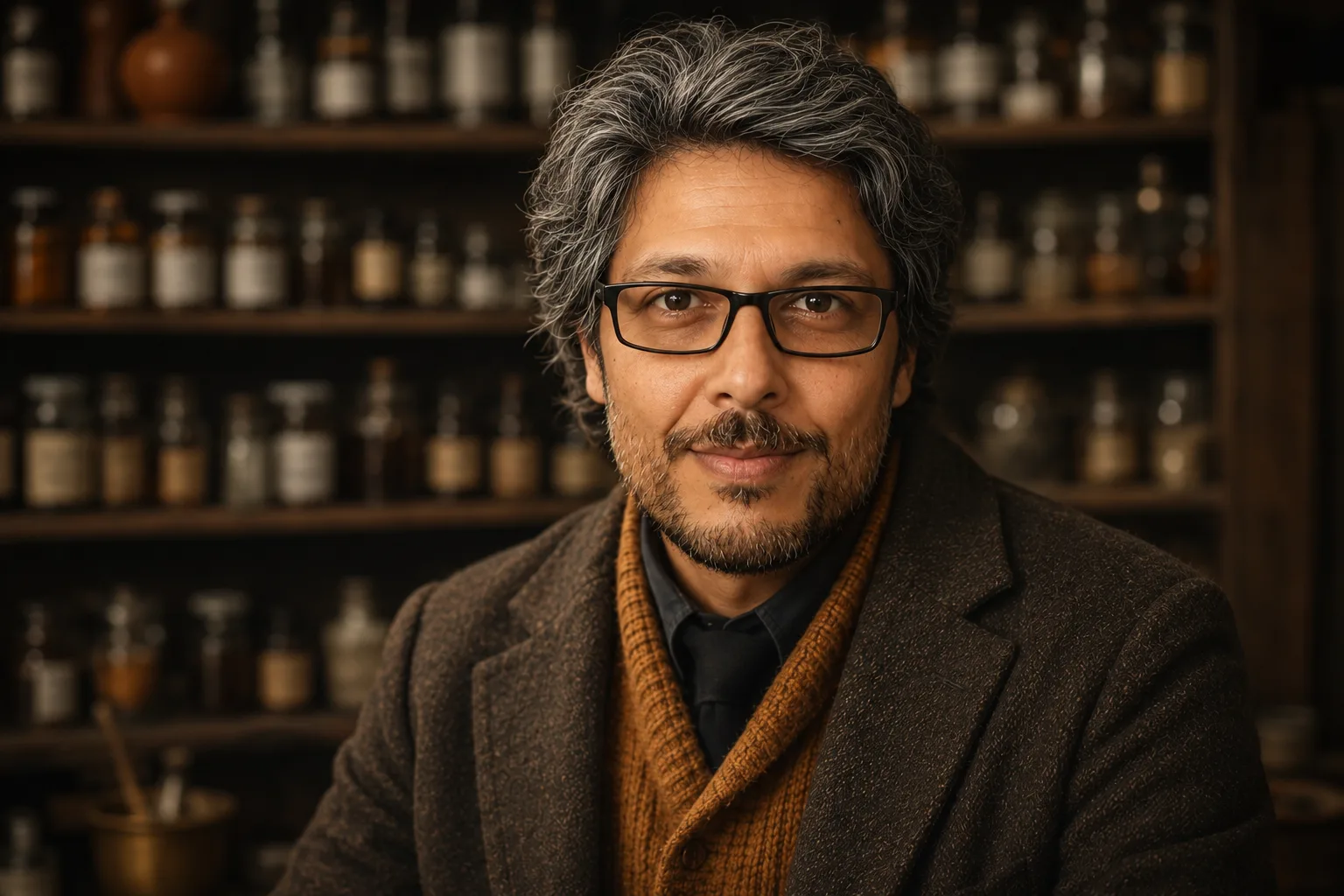
Dr. Amit K. Gupta, MD
is a Harvard- and Boston University–trained physician and founder of CureNatural, focused on digestion, daily routine (dinacharya), and metabolic balance.